EHR hardware: you need to know

Medical history, vaccine status, lab test results, and other medical records are libraries unto themselves. Checking such files without the aid of computers can be cumbersome. Thanks to EHR, hospital staff can access these information with ease.

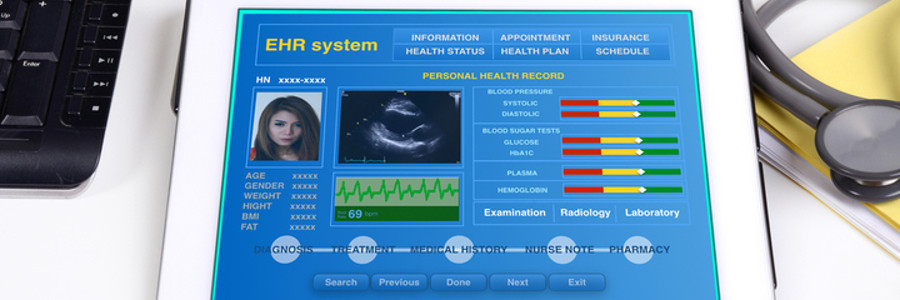
EHR stands for “Electronic Health Record,” and a lot can go into getting your practice ready for one of these data-sharing, network-connected, enterprise-wide information systems.

Features of Mobile Device Management in Healthcare

Surveys and studies show that wireless device usage in the healthcare industry is growing at an exponential rate, falling in line with the general trend in today’s society. The IT staff must work harder to monitor all the devices using the network, but there are Mobile Device Management (MDM) solutions that can make their jobs easier.

Mitigating healthcare insider threats

First off, what is an insider threat in healthcare? An insider threat is an individual inside an organization discovered to have been accessing healthcare records without authorization. Healthcare companies must take steps to reduce the potential for insider threats, which is their top source of security incidents.

Healthcare Security Breaches Skyrocket

In November 2017, healthcare data security and privacy company Protenus released a report on the most common security breaches in healthcare. Here are a few key takeaways.
Insiders are a bigger threat than hackers
Protenus is one of the largest security vendors for electronic health records (EHRs) and their mid-year review sheds some important light on the most common types of security breaches in healthcare.

Mobile devices and healthcare businesses

Mobile devices have revolutionized the healthcare industry: They’re convenient and significantly improve work efficiency and patients’ satisfaction. Yet they also come with risks. Patient data handled by those devices can be leaked. That’s why every healthcare provider needs to be extra careful about data security when using mobile devices.