Tips for creating more secure business passwords

Strong passwords are one of the easiest and most effective ways to protect online accounts. Still, many businesses use weak or reuse credentials. Learning how to create stronger passwords can significantly lower your business’s risk without adding unnecessary complexity to your security practices.

How to effectively adopt a zero trust security framework

​​Zero trust is an essential security framework that safeguards businesses against significant financial and reputational risks of data breaches. This approach promises a functional, highly protective system for all your digital assets. Read this article to learn the essential strategies needed to successfully implement a zero trust architecture that makes your business more cyber resilient.

Don’t let cyberthreats ruin your holidays: A guide for retailers

For retailers, the holidays mean bustling stores and record-breaking sales. Unfortunately, it also means increased cyberthreats. Hackers and scammers ramp up their activity during the busiest time of the year, preying on distracted staff and eager shoppers.

Is your cloud security at risk? Issues businesses need to address now

Many businesses are unknowingly vulnerable to cyberattacks due to simple misconfigurations in their cloud environment and inadequate security measures. Find out where your greatest risks lie and learn how to fix them.
Why cloud security continues to fail
A recent report by the cloud security firm Tenable highlights an alarming trend: 74% of companies surveyed had storage settings configured incorrectly.

Why longer passwords aren’t enough — and what you should do instead

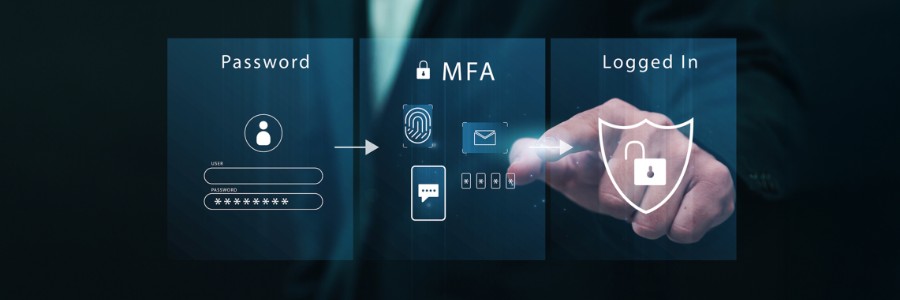
Passwords were once the bedrock of digital security, but the tech landscape has evolved. As cyberthreats grow more sophisticated, relying on a strong password alone can no longer keep your online accounts safe.
Why your security strategy must go beyond passwords
Cybersecurity experts at the National Institute of Standards and Technology (NIST) now warn that passwords are fundamentally vulnerable and should be avoided whenever possible.

Why AI is the new weapon of choice for cybercriminals

Cybersecurity isn’t what it used to be. With artificial intelligence (AI) entering the battlefield, cybercriminals are automating threats and customizing scams like never before. Discover how AI is transforming cybercrime, and how defenders can prepare for this escalating digital arms race.

From malware to phishing: Protecting your business from today’s cyber menaces

Malware, phishing, and DDoS attacks are just the tip of the iceberg when it comes to digital threats facing modern businesses. This guide breaks down these risks and explains how to protect your business from them. Whether it’s using strong passwords, monitoring your network for suspicious activity, or educating your employees, taking these steps will help fortify your business against cybercriminals.

The ultimate guide to protecting company data on mobile devices

Mobile devices, while incredibly convenient, also present considerable security risks. This guide covers essential steps that every business should take to keep its mobile devices secure. From using password managers to practicing safe browsing habits by using virtual private networks (VPNs), discover how to fortify your mobile security to prevent unauthorized access to sensitive information.

Watch out: Cybercriminals can use your office devices to phish for information

Hackers have found a way to send phishing emails using regular office devices such as printers, bypassing security checks. Read this article to learn how this scheme works and the steps you can take to prevent an attack.

How do hackers use office devices to send fake phishing emails? 
Microsoft 365’s Direct Send feature was originally designed to simplify internal email communication within organizations.