Why you need a VPN and how to choose one

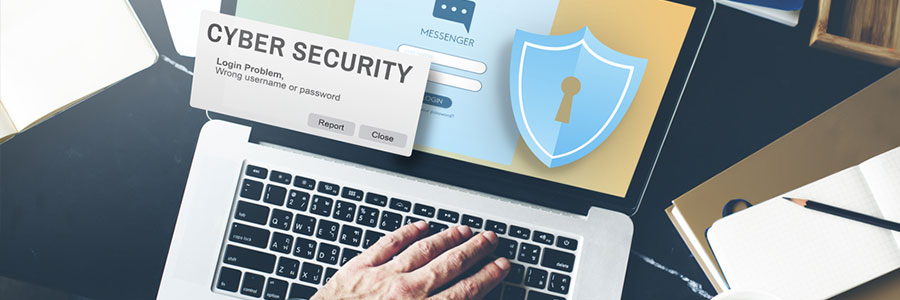
Installing antivirus software and setting strong passwords are no longer considered the bare minimum in cybersecurity. With hackers, third parties, and ISPs constantly monitoring networks and your online habits, hopping onto a virtual private network (VPN) is crucial for keeping your surfing habits private.

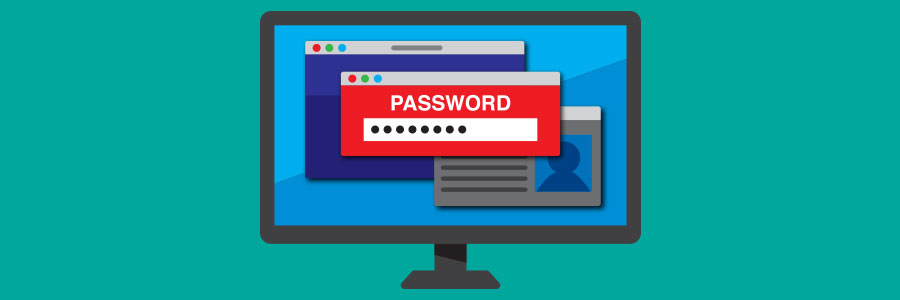
Your password may be poor — update it now

A password policy designed for federal agencies must be secure, right? Surprisingly, that hasn’t been the case, according to the National Institute of Standards and Technology (NIST). The NIST created many of the password best practices you probably loathe — the combination of letters, numbers, and special characters — but it now says those guidelines were misguided and has changed its stance on the matter.

What exactly is proactive cybersecurity?

Do you spend hours obsessing about the inner workings of DNS-layer security, intrusion prevention systems, and data encryption? If you’re not a managed IT services provider (MSP), you probably don’t. Instead, you’re probably looking for a business partner to manage those nitty-gritty details for you.

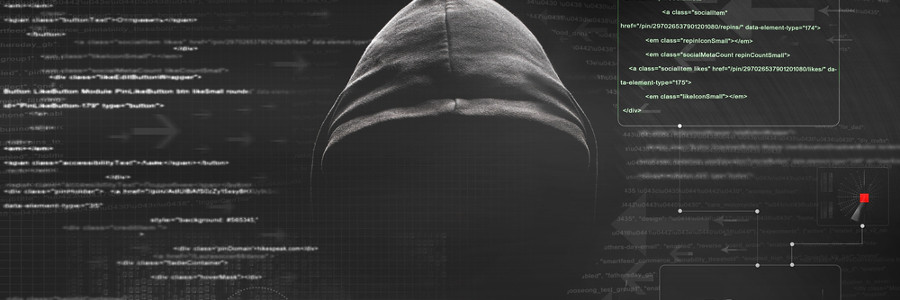
4 types of hackers to watch out for

When it comes to cyberattacks, most business owners get hung up on the technical and logistical details, forgetting another important aspect: motive. Why are hackers attacking people and organizations? And whom are they targeting? By answering these questions, you’ll have a better understanding of which of your business’s resources need the most protection.

Beware of these social engineering tactics

The volume of malicious cyber attacks is increasing every year. Although many companies use the latest network security systems, they aren’t immune to the hackers’ favorite strategy — social engineering. Unlike malware, social engineering tricks people into volunteering sensitive data.

5 Easy tips for preventing data breaches

Avoiding malware and online scams takes a lot of work. You have to treat every email with suspicion, manage a long list of convoluted passwords, and avoid public WiFi networks. Ideally, you follow several other cybersecurity best practices, but many users don’t believe they’re worth the time.

What are the risks of BYOD?

Taking work home, or practically anywhere, has never been easier. The bring your own device (BYOD) strategy has become a popular approach for many businesses to conduct work more efficiently and flexibly. But this strategy is not without risks. BYOD, if not implemented correctly, can make your system susceptible to a number of attacks.