
Bring your own device (BYOD) policies are transforming workplaces by offering employees the flexibility and convenience of using their preferred personal devices for work. However, each device also presents a potential entry point for cyberthreats. As BYOD becomes the norm, effective security measures are essential to protect data without sacrificing flexibility.
Essential tips for securing company data in a BYOD environment

Maximizing employee mobility with BYOD and CYOD programs

The rise of remote work necessitates effective mobile device management strategies. Two primary options exist: BYOD (bring your own device) and CYOD (choose your own device). Understanding the cost implications and level of control associated with each approach will enable you to make an informed decision that aligns with your organization's security posture and budgetary constraints.
How to enhance your company’s BYOD security
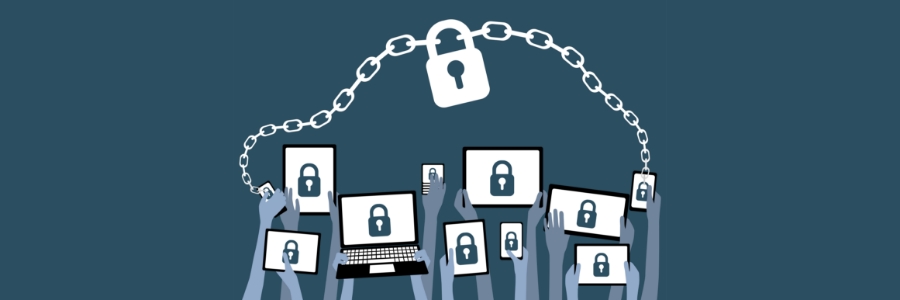
Bring your own device (BYOD) is a trend that has grown in popularity because of the convenience it offers employees, but it also presents a serious security risk. If an employee's personal device is not appropriately secured, it can become a potential entry point for attackers to gain access to sensitive corporate information.
Comparing BYOD and CYOD

Bring your own device (BYOD) and choose your own device (CYOD) have become popular options in the workplace. But what do these terms mean, and which one is right for your business? In this blog post, we will define both of these options and explain their benefits.
The benefits of BYOD and CYOD

More and more organizations today are seeing the value in implementing bring your own device (BYOD) and choose your own device (CYOD) policies. Aside from increased efficiency and productivity, there are plenty of other benefits that businesses across industries can get from both strategies.
How to strengthen your BYOD security

Many businesses are adopting bring your own device (BYOD) policies as more employees work from home. The problem is, if you’re not careful, BYOD can expose your company to major cybersecurity risks, including the following.
Loss or theft of devices – Employees often bring their personal devices wherever they go.
Mobile device management: A game changer for healthcare

More hospital wireless networks are making use of mobile device management (MDM) software to monitor every device connected to their network, and for good reason, too. Here are the numerous benefits MDM offers to healthcare organizations.
Compliance
Governments have established several regulations, such as HIPAA, to protect patient records, but mobile devices are posing a major challenge to these regulations.
BYOD security tips

The bring your own device (BYOD) phenomenon continues to rise in the workplace. There are a number of benefits and risks that BYOD brings. For it to be successful, you must balance employee freedom and data security. Here’s how you can do that.
Whether your employees are using smartphones, tablets, or laptops, you need a BYOD security policy.
CYOD and BYOD: What are they?

Mobile devices are a popular tool for many employees, most of whom will at some point use their personal device for a work-oriented task. Companies are adopting a BYOD or bring your own device policy to help bolster motivation and productivity. Another similar trend gaining popularity is CYOD or choose your own device.
What are the risks of BYOD?

Taking work home, or practically anywhere, has never been easier. The bring your own device (BYOD) strategy has become a popular approach for many businesses to conduct work more efficiently and flexibly. But this strategy is not without risks. BYOD, if not implemented correctly, can make your system susceptible to a number of attacks.
- 1
- 2
