
Managed IT: How hospitals can benefit

More and more healthcare organizations are turning to managed services providers (MSPs) for their IT needs. This lets hospitals and clinics focus on being healthcare providers and not on being ad hoc IT professionals learning on the fly.

Here are some things to look for in a managed services provider before you consider partnering with one.

How does telemedicine help patients?

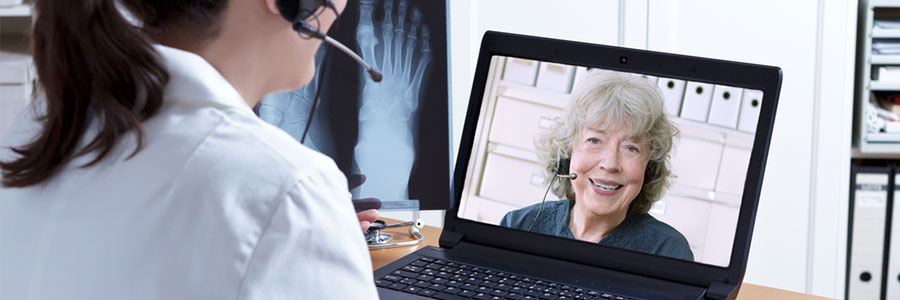
Telemedicine means exactly as it sounds — a medical service delivered via telephone or any communications platform. It sounds like a new development in medicine, but it’s really not. While most people still prefer to go to the hospital to receive treatment, the many advancements in telemedicine are beginning to change this.

Managed IT for healthcare: Why it’s vital

Cybercriminals are increasingly targeting the healthcare industry for its perceived vulnerability. Nowadays, more and more hospitals are realizing that overall patient care not only involves medical attention, but also entails securing patient data. For many healthcare organizations, it’s crucial to work with the right managed services provider (MSP) to ensure transactions are seamless and patient data is constantly protected.

EHR hardware: you need to know

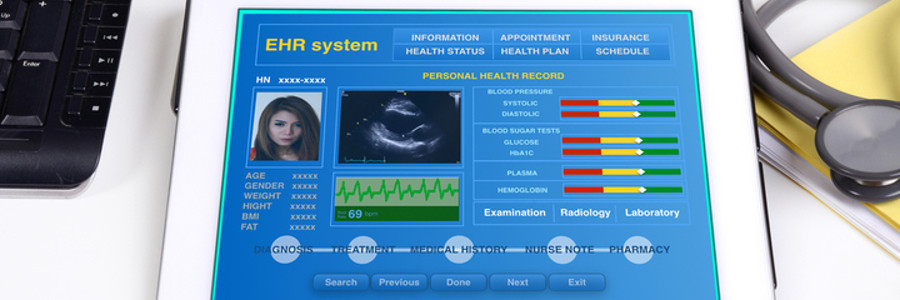
Medical history, vaccine status, lab test results, and other medical records are libraries unto themselves. Checking such files without the aid of computers can be cumbersome. Thanks to EHR, hospital staff can access these information with ease.

EHR stands for “Electronic Health Record,” and a lot can go into getting your practice ready for one of these data-sharing, network-connected, enterprise-wide information systems.

Mobile devices and healthcare businesses

Mobile devices have revolutionized the healthcare industry: They’re convenient and significantly improve work efficiency and patients’ satisfaction. Yet they also come with risks. Patient data handled by those devices can be leaked. That’s why every healthcare provider needs to be extra careful about data security when using mobile devices.

Ransomware targets healthcare again

Ever since the WannaCry and Petya ransomware outbreaks, healthcare organizations have been on their toes. But just when they thought they could relax, a new strain of ransomware has come along. A “Locky-variant” ransomware campaign is currently underway, and it’s every bit as dangerous as previous ransomware attacks.

The rising popularity of telemedicine

Physicians in certain parts of the world still make house calls, but they’re a rare breed. Today, most patients either go to a neighborhood clinic or hospital, or make a quick trip to a pharmacy for instant relief. Patients who prefer to get treated in the comfort of their own home have another option too: telemedicine.