
New strains of malware are being developed every day. In fact, the number was nearly one million per day in 2015. With so many in existence, some have gone under the radar, as such is the case with CopyCat. So if you’re using any type of Android device, know that CopyCat likes to use its claws.
Android devices easy prey for CopyCat

Beware: Nyetya is worse than WannaCry
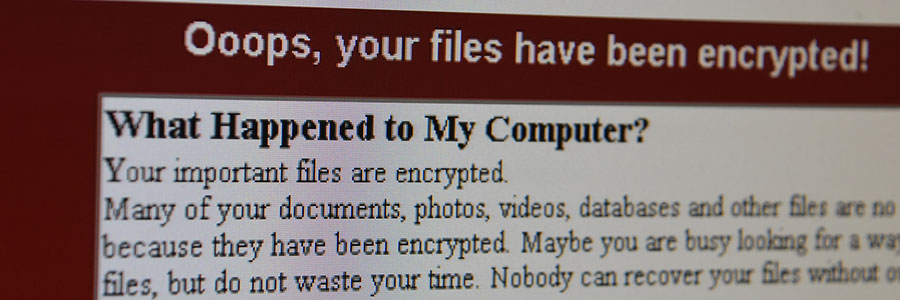
The WannaCry ransomware, which infected 200,000 business globally and made over $100,000 in ransom payments, is said to be one of the worst cyber attacks in history. However, a new ransomware strain named Nyetya is shaping up to be a more formidable security threat.
Windows XP receives security update

Microsoft products usually have an end-of-support date, where no more feature updates and security patches will be offered. However, earlier this month, Microsoft has released a security update for Windows XP, an operating system that has been unsupported since 2014. Although releasing a patch for an old system seems unusual, Microsoft does have its reasons.
Protect your Android mobile devices

As bring your own device policies becomes common practice for companies today, business owners must keep in mind the possible cyber security implications of deploying more devices connected to the company network. If your employees are using Android devices, here are the top five security threats they need to be aware of as well as how to steer clear from them.
Lessons learned from the WannaCry malware

No one can escape the news of WannaCry. The IT industry has been covering this type of malware for years, but never has one campaign spread so far or infected so many computers. Read on to gain a greater understanding of what happened and how to prepare yourself for the inevitable copy cats.
Malware infects Mac HandBrake downloads

macOS version of HandBrake, an open-source video transcoding software that converts multimedia files into various formats, was recently infected with a Trojan. According to HandBreak’s announcement, if you downloaded the app between May 2 (14:30 UTC) and May 6 (11:00 UTC), there’s a 50% chance that your system got infected.
Beware: new Mac malware on the loose
No computer is safe from malware, not even Macs. Even though incidences of viruses and malware are rare for Apple computers, they can still occur with disastrous consequences. Based on one security software firm’s report, MacOS malware grew by 744% in 2016, but the number of attacks were still fewer than attacks on Windows computers.
A brief history of virtual quarantines

Virtualization comes with several benefits for small- and medium-sized businesses. One of the most important is cybersecurity, but even within that subset are several strategies for protecting your organization. One of such strategy is referred to as sandboxing, and it’s worth learning about.
Why you need to update Microsoft Word

Software developers and hackers are in a constant game of cat and mouse. When cybercriminals find new security bugs to exploit, tech companies have to quickly release a solution that secures those vulnerabilities. Just this month, Microsoft released a patch to eliminate a Word exploit designed to steal user information.
Sly phishing attack catching users off guard

Most phishing attacks involve hiding malicious hyperlinks hidden behind enticing ad images or false-front URLs. Whatever the strategy is, phishing almost always relies on users clicking a link before checking where it really leads. But even the most cautious users may get caught up in the most recent scam.
