
Ransomware is a type of malware that encrypts your data and makes it impossible to access unless you pay a ransom. While it may appear to be difficult to stop, you should never give in to the hacker’s demands. Before you end up being a victim of ransomware, protect yourself with virtual disaster recovery (DR) solutions.
Virtual DR protects against ransomware
Fileless malware: The guileful threat
Over the past few years, the security industry has been witnessing a rapid evolution in attack techniques, including fileless malware, which uses legitimate tools and services such as existing software, applications, and authorized protocols to carry out malicious activities such as unauthorized data retrieval or data damage.
Autocomplete password risks
Advertisements and suggestions based on our internet browsing habits are sources of online tracking. However, autocomplete passwords are also another source of online tracking. This sneaky tactic comes with serious security risks. Here’s how you can stop it from targeting you.
Protect your VoIP system from phishers

VoIP (Voice over Internet Protocol) makes business communications simple and inexpensive. However, scammers are still finding ways to exploit VoIP, such as through “vishing scams, a new type of phishing wherein fraudsters make phone calls, pose as a business or financial partner, and request private details.
Why you need a VPN and how to choose one
Installing antivirus software and setting strong passwords are no longer considered the bare minimum in cybersecurity. With hackers, third parties, and ISPs constantly monitoring networks and your online habits, hopping onto a virtual private network (VPN) is crucial for keeping your surfing habits private.
The best way to secure PHI
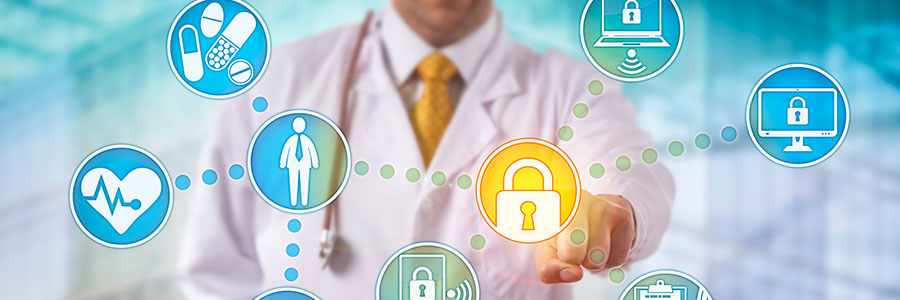
Hospital data breaches are emerging at an alarming rate and show no signs of slowing down in 2019. That’s because data fetches a hefty price on the black market, making hospitals prime targets for cybercriminals. The best way to defend against these threats is to arm your team with the following systems and protocols.
There is ransomware for Android devices
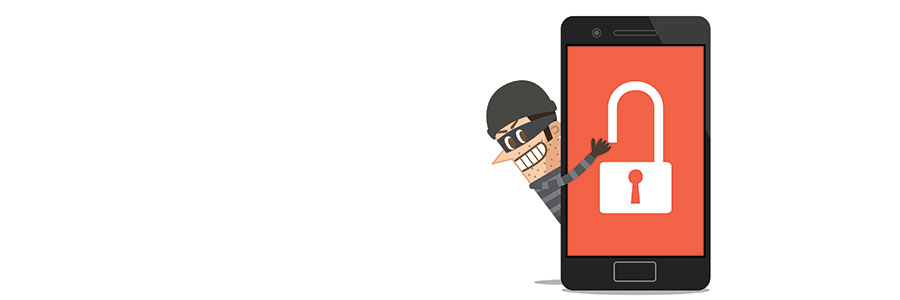
The increasing usage of mobile devices, specifically by businesses, will naturally entice more hackers to develop mobile ransomware. What is this form of malware, and how can you keep it from invading your Android device?
How does ransomware make it onto your Android device?
Like its desktop equivalent, mobile ransomware needs to be installed on your device before it can do damage.
How to protect your company mobile devices

Businesses have embraced mobile technology, as it allows for constant collaboration, which increases productivity. But as the number of mobile devices used in daily operations grows, so do the incidents of cybercrimes targeting smartphones and tablets.
3 Types of hackers you should know about
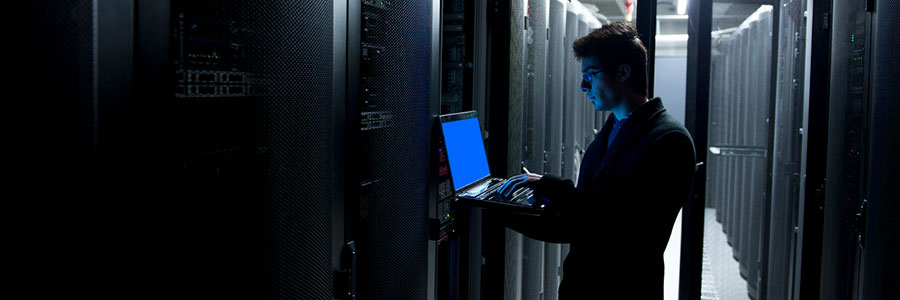
Newspaper headlines and Hollywood movies have shaped our understanding of computer hackers, but in the real world it’s not so simple. Some hackers are making massive contributions to the field of cybersecurity, it just depends on which hat they’re wearing that day.
Mobile security threats in Android
When personal and professional information live on one mobile device, a small breach can have huge impacts. As the adoption of bring your own device (BYOD) policies increase, employee awareness of cyberthreats becomes critical. Here are five tips for avoiding common Android-based security risks.
