
The relationship between computer hardware and software can be frustrating. Both require the other to function properly, but both also require individual attention. Virtualization makes this relationship far more flexible, and we’ve got a rundown on a few of the best examples.
How does virtualization improve business?

Google ridding MR from search results

Modern-day cyber criminals utilize every resource possible to launch attacks, one of which has been publicly available until now. Google had just overhauled its personal information policy, especially for the healthcare industry, resulting in the removal of private medical records from its search results.
Worrying evidence of poor router security

When we write about how antivirus software isn’t enough to keep you safe from malware, it’s not just scare tactics. There are so many ways hackers can break into your system that antivirus solutions will never catch. For a real-world example, look no further than the router exploit kit recently leaked from the CIA.
The Wikileaks CIA documents
For several months, the notorious website famous for leaking government data has been rolling out information it obtained from the Central Intelligence Agency.
New anti-phishing features for Gmail

Cybercriminals have been relentless throughout 2017. In the past couple of months, hackers discovered new malware strains and software vulnerabilities that have overwhelmed thousands of businesses worldwide. But despite these new attacks, hackers still have an old, yet effective trick up their sleeves: phishing scams.
PC fixes are a drain on your company’s budget

When your employees seek your IT security staff’s help to fix their personal computer (PC) problems, it’s often perceived as a productive use of everyone’s time. After all, employees must have working computers and IT professionals are expected to resolve any technology issues.
6 tips to secure Mac computers
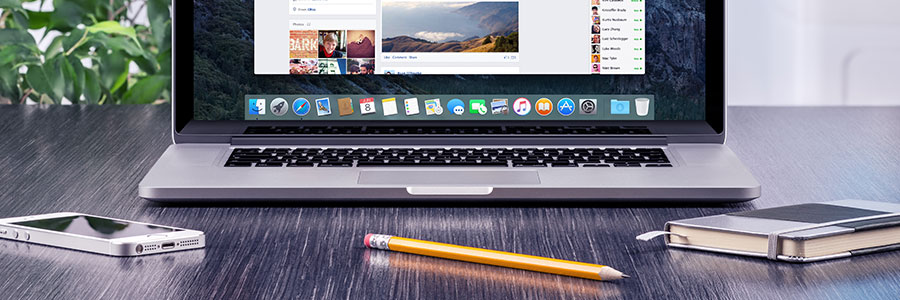
Although well aware of its importance, users still overlook Mac security. This might be excusable if you’re using your device just to watch cooking shows or to experiment with PhotoBooth, but not if it’s being used in day-to-day business operations.
Prevent ransomware with HIPAA compliance
Hospitals and healthcare organizations are usually the first victims of malware attacks. WannaCry ransomware -- malicious software that encrypts files until the victim decides to pay the Bitcoin ransom -- took advantage of this when it hit several healthcare institutions last month.
Precautions against WannaCry ransomware

Both businesses and individuals across dozens of countries are scrambling to fix their computer systems after a ransomware, named WannaCry, caused major disruptions earlier this month. Like most ransomware, WannaCry encrypts files and demands a Bitcoin payment for their release.
Google adds phishing defenses for Android

One of the most common ways hackers infiltrate networks is by using phishing scams -- fraudulent emails to trick unwitting users into giving away login credentials or downloading malware. Although this is the oldest trick in a hacker’s arsenal, it’s still an incredibly effective attack method.
Office 365 receives security upgrades
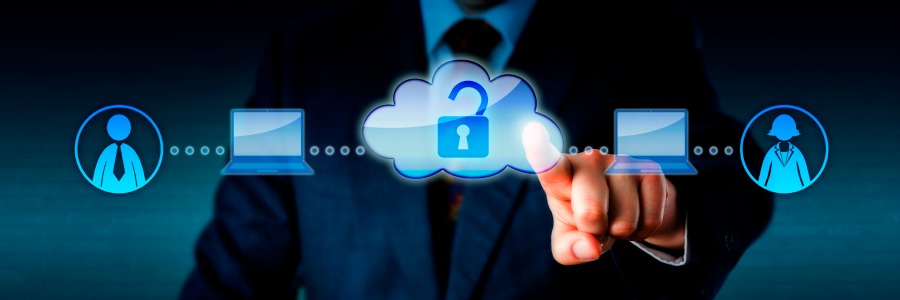
Microsoft has commercially released new products and upgrades that will secure company information. The threat intelligence and data governance features are designed for businesses that adhere to strict regulatory guidelines and need an extra layer of protection against cyberattacks.
