It’s time to redefine the word “hacker”

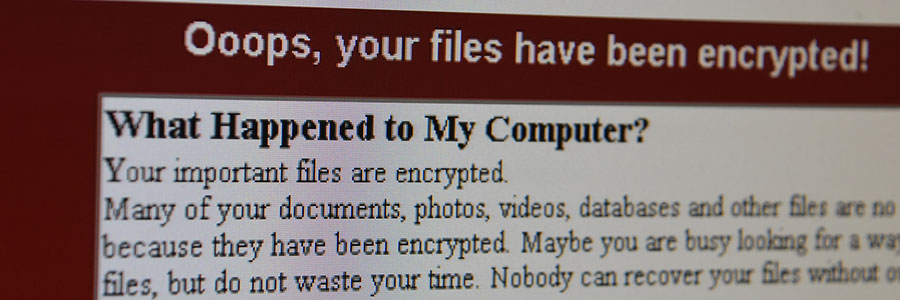
When a cyber security researcher stopped the spread of WannaCry, the headlines praised him as a savior. But just a few short months later he was in handcuffs for allegedly creating a piece of malware that steals banking information. Even if he is innocent, it’s important to understand the difference between white hat, black hat and even gray hat hackers.

Steer clear from these types of malware

You’ve all heard of viruses, spyware, ransomware and trojans. But did you know that they’re all types of malware? They’re all designed to ruin your digital life, but different types of malware put your computer at risk in different ways. Understanding what sets them apart can keep your business guarded.

Worrying evidence of poor router security

When we write about how antivirus software isn’t enough to keep you safe from malware, it’s not just scare tactics. There are so many ways hackers can break into your system that antivirus solutions will never catch. For a real-world example, look no further than the router exploit kit recently leaked from the CIA.
The Wikileaks CIA documents
For several months, the notorious website famous for leaking government data has been rolling out information it obtained from the Central Intelligence Agency.

Lessons learned from the WannaCry malware

No one can escape the news of WannaCry. The IT industry has been covering this type of malware for years, but never has one campaign spread so far or infected so many computers. Read on to gain a greater understanding of what happened and how to prepare yourself for the inevitable copy cats.

No Ransom: a place for free decryption

Ransomware is everywhere. Over the last couple years, dozens of unique versions of the malware have sprung up with a singular purpose: Extorting money from your business. Before you even consider paying for the release of your data, the first thing you must always check is whether your ransomware infection already has a free cure.